

This article examines the meaning, history, and cultural background of these henati comic while explaining how they differ from mainstream manga. It provides an educational overview of why such content exists, how it evolved in Japanese pop culture, and how it is distributed in digital spaces today.
You’ll also learn about genre classifications, art styles, audience demographics, and important safety and ethical considerations when encountering content online. The guide is written for informational purposes only and avoids explicit details, focusing instead on cultural understanding and media literacy. If you’re interested in how manga fits into global comics trends and digital entertainment ecosystems, this comprehensive 2,000-word article will provide you with clear and structured insights.
What is Henati Comic?
The term henati comic is commonly recognized as a typo or variation of “hentai comics”, which refers to illustrated manga content originating in Japan. While mainstream manga covers a wide range of genres such as action, romance, fantasy, and sports, hentai comics are specifically for audiences and feature oriented themes.
In Internet culture, spelling variations such as “henati” often appear due to transcription errors or accidental typing. Despite the spelling difference, the meaning usually points to the same category of manga.
It is important to understand that hentai comics are not part of general entertainment manga. It is a niche segment within the wider Japanese comics industry, created for readers and distributed in specific platforms or formats.
Key features of henati/hentai comics include:
- Illustrated narrative in manga style
- Targeted at an audience (18+)
- Fictional narrative with mature themes
- Unlike mainstream manga storytelling
These comics exist as part of a wider artistic and cultural landscape, although they remain controversial in many societies.
Origins and Cultural Background of Manga in Japan
Manga, including what people call henati comics know more click here, is rooted in Japan’s long history of illustrated storytelling. Traditional Japanese art forms such as “shunga” (erotic woodblock prints from the Edo period) have influenced modern styles of illustration.
After World War II, manga culture spread rapidly in Japan. Artists began to explore different genres, and comics gradually became a separate category within the industry. In the late 20th century, the rise of independent publishing and digital platforms helped manga reach a wider audience.
This development was shaped by:
- Japan’s Freedom of Artistic Expression in Print Media
- Growth of manga publishing companies
- Development of underground and specialized art markets
- Growing global interest in Japanese pop culture
Over time, manga has become a domestic and international phenomenon. However, it has always remained a regulated category with age restrictions and cultural sensitivities associated with its distribution.
Artistic Style and Visual Characteristics
One of the most recognizable aspects of henati comics is their distinctive manga-style artwork, know more click here. These visuals follow the same basic techniques used in mainstream manga, but often emphasize exaggerated expressions, detailed character designs, and stylized storytelling.
Common artistic features include:
- Highly detailed character illustrations
- Expressive facial emotions
- Dynamic panel layout
- Strong use of shading and contrast
- Stylized anatomy typical of manga artistic traditions
Summary of visual properties in bullet style:
- Black and white or color formats depending on the publication
- Focus on character-driven storytelling
- Emphasis on mood and emotional expression
- Varying artistic quality depending on the creator
Despite being oriented, many artists in the genre are highly skilled and contribute significantly to the wider ecosystem of manga art. Illustration techniques often overlap with mainstream manga production.
Genres and Themes in Manga
Henati comics are not a single unified category; they cover a wide range of sub-genres and themes. Each subgenre focuses on different narrative elements, emotional tones, or art directions.
Some general topic categories include:
- Narratives based on fantasy
- A romantic story
- Plots inspired by science fiction
- Real-life scenarios with mature themes
- Psychological or dramatic narrative
These categories are structured similarly to mainstream manga genres, but are intended for mature readers only.
Important note:
Although the themes vary widely, the content remains limited to mature audiences and is not suitable for younger readers. Many access control platforms require strict age verification systems.
Digital Distribution and Online Popularity
With the rise of the internet, henati comics have become widely available in digital formats. Online platforms, scanning communities, and digital libraries have contributed to global accessibility. 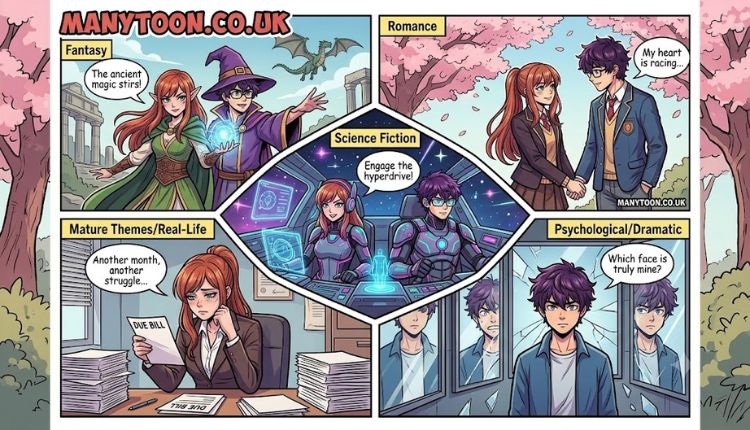
Drivers of digital growth:
- Easy access via mobile devices
- Online manga reading platforms
- Global fan translation community
- Digital publishing by independent creators
Bullets summarizing the distribution:
- Webcomic platforms
- Subscription-based digital manga service
- Independent art publishing sites
- Community-driven translation archives
However, this digital proliferation also raises concerns about copyright protection, ethical distribution and content regulation in different countries.
Audience and Cultural Perception
The audience for henati comics is usually who are already familiar with manga culture. Readership varies from country to country, especially where Japanese pop culture has a strong following.
Cultural perceptions vary greatly:
- In Japan, it is treated as a niche industry
- It is often controversial or restricted in Western countries
- In many regions, access is legally restricted or monitored
Bullets in Perception:
- Considered by some to be artistic expression
- Others considered inappropriate content
- Subject to strict age restrictions
- Frequently discussed in discussions of media ethics
Understanding these differences is important when studying trends in global media consumption.
Ethical Considerations, Safety, and Responsible Viewing
Since henati comics belong to the category of content, ethical and safety aspects are very important. Many countries regulate access to such material to protect minors and ensure responsible consumption.
Key considerations include:
- Age restrictions and legal compliance
- Respecting cultural and legal boundaries
- Awareness of digital security risks
- Responsible behavior on the Internet
Bullets for security awareness:
- Always follow the legal age
- Avoid dangerous or unauthorized websites
- Be aware of digital privacy risks
- Understand cultural differences in media regulation
Media literacy plays a key role in ensuring that users understand what they are engaging with online and how it fits into legal frameworks.
Henati Comic in Global Manga Culture
Although manga like henati comics are controversial, they have influenced global manga culture in various ways. She has contributed to discussions on artistic freedom, digital publishing, and niche storytelling.
- Its role in global culture includes:
- Expanding the genre diversity of manga
- The rise of independent digital publishing
- Increased international interest in Japanese media
- Ongoing debates about content regulation
Summary of points:
- Part of the broader evolution of the manga industry
- It influences digital comics platforms worldwide
- Contributes to discussions about media boundaries
- It exists alongside mainstream entertainment manga
Although not mainstream entertainment, its presence highlights how diverse and vast manga culture has become worldwide.
Conclusion
Often referencing manga content, Henati comics represent a niche but significant segment of Japanese illustrated storytelling. While not part of mainstream entertainment, they have historical roots, distinct artistic styles, and a defined place within global digital media culture.
Understanding them requires an awareness of cultural context, legal frameworks and responsible media consumption. As part of the broader evolution of manga, they reflect how diverse creative expression can become in modern digital society.
FAQs
1. What does henati comic mean?
This is usually a typo of hentai comic that refers to manga content.
2. Is it part of the normal manga?
No, it’s a separate only category within manga culture.
3. Why is it popular online?
Because of digital platforms and the worldwide interest in Japanese comics.
4. Is it legal everywhere?
No, availability depends on country laws and regulations.
5. Who reads these comics?
They are intended exclusively for an audience.
