

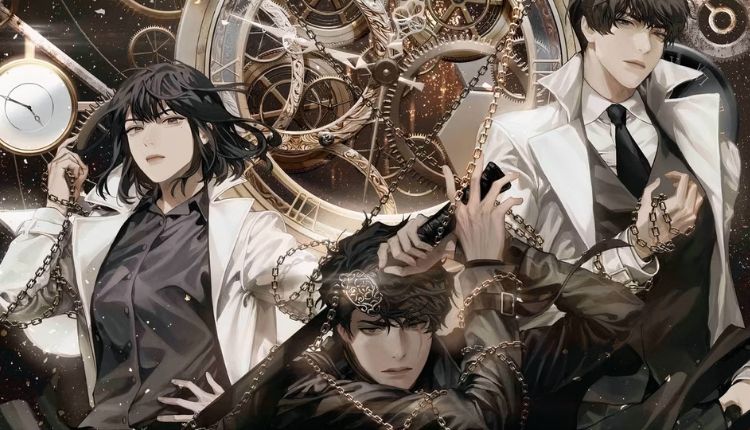
Instead of turning pages, readers now scroll vertically on their phones and enjoy colourful stories designed specifically for mobile screens. This format made comics accessible to young readers around the world, including those who had never read traditional print manga before. With free access, regular updates, and stories from many cultures, webtoon manga has become a global entertainment trend.
In this article, you’ll learn what manga is, how it came about, why it’s so popular, how creators make money, what genres are trending, and how readers can choose the best series. As requested, this article has 8 subheadings, each with a detailed discussion, including bullet points, plus a conclusion and FAQ, and is written in SEO-friendly English with a strong focus on manga keywords.
What is Webtoon Manga
Webtoon manga refers to digital comics that are usually published in a vertical scrolling format and are optimised for smartphones. While traditional manga are often black and white and read page by page, manga are usually full colour and read by scrolling down continuously. This design helps keep the reader engaged and creates a smooth narrative flow.
Another major difference is the way chapters are published. Instead of waiting months for a print volume, manga webtoon chapters are released weekly or even more frequently. This keeps readers coming back and builds a strong community of fans. Many platforms also allow readers to comment on each episode, making reading more interactive and social.
Webtoon is also more open to new creators. You don’t always need a big publisher to get started. Independent artists can upload their work and grow their audience over time. This increased the variety of stories, art styles, and characters.
Key differences between manga and traditional manga include:
- Vertical scrolling format instead of page flipping
- Full-colour artwork instead of mostly black and white
- Weekly or quick updates instead of volume-based releases
- Easier entry for independent creators
- Strong interaction with readers through comments and ratings
These features make the manga feel more like a social media experience mixed with storytelling. Readers are not just passive consumers but part of a community that responds to each episode.
History and Growth of Manga Platforms
The webtoon manga concept began in South Korea in the early 2000s, when artists began publishing comics online for free. As smartphone usage increased, platforms redesigned comics to fit vertical screens, creating the modern scrolling format. This change made it easier to read comics during short breaks, while travelling, or before bed.
Over time, webtoon platforms have expanded internationally by translating popular series into many languages. This helped manga reach readers in countries where printed manga was expensive or hard to come by. As internet access improved, more people started reading comics digitally rather than buying physical books.
Manga has also grown through partnerships with animation studios and streaming services. Many popular series have been adapted into animated shows, dramas, and even movies. This created a cycle where fans of the show would go back and read the original webtoon, and readers would watch the adaptations.
Reasons for the rapid growth of manga platforms include:
- A mobile design that suits the modern lifestyle
- Free access to many chapters
- Fast translation into multiple languages
- Adaptation into TV shows and animations
- Global fan communities on social networks
Today, manga is not limited to just one country or culture. Stories now include characters and settings from around the world, making the genre more inclusive and accessible to an international audience.
Popular Genres in Webtoon Manga
Webtoon manga covers a wide range of genres, which is one of the reasons why it attracts so many different readers. From romance to action to fantasy, there’s something for everyone. Many series also mix multiple genres to create fresh and unpredictable stories.
Romance is one of the most popular genres because it focuses on emotions and relationships, which comforts and excites many readers. Fantasy and action genres attract readers who like adventure, magical worlds and intense battles. Real-life stories are also popular because they show realistic everyday struggles that are very relatable.
Manga often feature strong character development, which helps readers connect emotionally with the story. Since the episodes are short and frequent, readers slowly grow with the characters over time, making the experience more personal.
Popular manga and webtoon genres include:
- Romance and romantic comedy
- Fantasy and the supernatural
- Action and adventure
- Slice-of-life and school stories
- Horror and mystery
Another reason why readers love these genres is that creators are free to experiment. Unlike traditional publishing, webtoon platforms allow niche stories to succeed if they find the right audience. This freedom leads to unique story ideas that you might not find in print manga.
How creators make money from Manga
Many people wonder how artists make money when so much content is free. Webtoon manga platforms use several methods to support creators while keeping stories accessible to readers. One common method is early access, where readers can pay to read episodes before everyone else.
Creators can also earn from ads displayed between episodes or within the app. Some platforms share ad revenue with artists based on how many people read their series. Popular authors may also receive sponsorship offers or merchandise opportunities.
Another important source Webtoon Manga of income is adaptation rights. If the manga becomes very popular, it may be adapted into animation, games, or TV dramas. Creators can earn royalties for these adaptations, which can be a big financial success.
Common ways creators make money from manga include:
- Paid early access to new episodes
- Advertising revenue sharing
- Product Merchandising and Licensing
- Animated and dramatic adaptations
- Supporting fans through special events or bonuses
These opportunities have made manga a serious career option for artists, not just a hobby. Many young creators now dream of publishing online rather than trying to break into traditional publishing companies.
Why Manga is so popular among young readers
Webtoon manga is especially popular among teenagers and young because it fits their digital lifestyle. Most young people spend a lot of time on their phones, and webtoons are designed exactly for this environment. You can read the chapter while waiting for the bus or during a short break.
Another reason is emotional connection. Many stories focus on friendship, school life, personal growth, and identity, which are important topics for young readers. Seeing characters face similar problems can feel comforting and inspiring.
Manga also encourages community interaction. Readers can comment on episodes, share opinions, and even interact with creators on social media. This makes the experience more engaging than just reading a book alone.
Reasons for popularity among young readers include:
- Easy access on smartphones
- Stories that reflect real-life emotions
- Strong online fan communities
- Free content with optional paid features
- Visual style that feels modern and colourful
Because of all these factors, manga is not just entertainment but also part of daily digital culture for many young people around the world.
Manga vs Anime and Traditional Comics
Webtoon manga is often compared to anime and traditional comics, but each format offers a different experience. Anime is animated and includes sound and movement, while manga relies on static images and storytelling through art panels. However, webtoons can use long vertical spacing to control pacing, which creates dramatic effects similar to animation.
Traditional comics are usually printed and read left to right or right to left, depending on origin. Manga breaks this rule by using a top-to-bottom flow that feels more natural on phones. This design allows creators to build suspense by placing big gaps before important moments.
Manga is also more flexible in storytelling. Episodes can be shorter or longer depending on the story’s needs, and creators can adjust based on reader feedback. This flexibility is harder to achieve in printed formats.
Main differences between formats include:
- Manga uses vertical scrolling; others use pages
- Anime includes sound and motion; webtoons rely on art
- Webtoons update frequently; printed comics take longer
- Reader feedback is faster in webtoon platforms
Because of these differences, many stories now start as manga and later become anime or dramas, showing how powerful this digital format has become in the entertainment industry.
How to Choose the Best Manga to Read
With thousands of series available, choosing the right webtoon manga can feel confusing. A good starting point is to think about what genres you enjoy most, such as romance, action, or fantasy. Most platforms allow you to filter by genre, popularity, and new releases.
Reading reviews and checking ratings can also help. High ratings usually mean many readers enjoy the story, but sometimes hidden gems have smaller audiences but excellent storytelling. Trying the first few episodes is often the best way to decide if a series fits your taste.
Another helpful tip is to follow recommendations from friends or online communities. Fans often share lists of underrated or trending manga that you might not find on the front page of apps.
Tips for choosing good manga include:
- Start with your favourite genres
- Check ratings and reader comments
- Read the first few episodes before committing
- Follow community recommendations
- Explore both popular and new series
By exploring different styles and stories, you can discover unique manga that match your interests and keep you excited to read more.
The Future of Webtoon Manga in Global Entertainment
The future of webtoon manga looks very strong as digital entertainment continues to grow. More creators from different countries are joining platforms, bringing new cultures and storytelling styles. This global diversity will likely make manga even more interesting and inclusive.
Technology will also play a role. Better screen quality, animation effects, and interactive features may be added to future webtoons. Some platforms are already experimenting with music, limited motion, and sound effects to enhance emotional impact.
Another important trend is cross-media storytelling. Manga is becoming the starting point for movies, series, games, and merchandise. This means that a single story can grow into a big entertainment brand.
Future trends in manga may include:
- More international creators and stories
- Interactive and multimedia storytelling
- Stronger links with the film and gaming industries
- Improved creator support systems
As digital reading becomes more common, manga is expected to remain a major part of youth entertainment and storytelling worldwide.
Conclusion
Webtoon manga has transformed the comic industry by making stories more accessible, interactive, and globally connected. Its mobile-friendly format, colourful art, and frequent updates match modern reading habits perfectly. With strong genres, creative freedom for artists, and growing adaptations into other media, manga is no longer just an online trend but a powerful entertainment format.
For readers, it offers endless choices and emotional connections. For creators, it provides new opportunities to build careers and reach global audiences. As technology and creativity continue to grow, manga will likely play an even bigger role in shaping digital storytelling in the future.
FAQs
Q1: Is manga free to read?
Yes, most manga platforms offer many episodes for free. Some features, like early access, may require payment, but free reading is always available.
Q2: Can anyone become a manga creator?
Yes, many platforms allow independent artists to upload their own series and build an audience without needing a traditional publisher.
Q3: Are manga stories only for teenagers?
No, manga includes stories for all age groups, including mature themes for readers and simple stories for younger audiences.
Q4: Why are manga chapters shorter than traditional manga?
Shorter chapters allow for frequent updates and fit better with mobile reading habits, making it easier to read during short breaks.
Q5: Can manga become anime or TV shows?
