

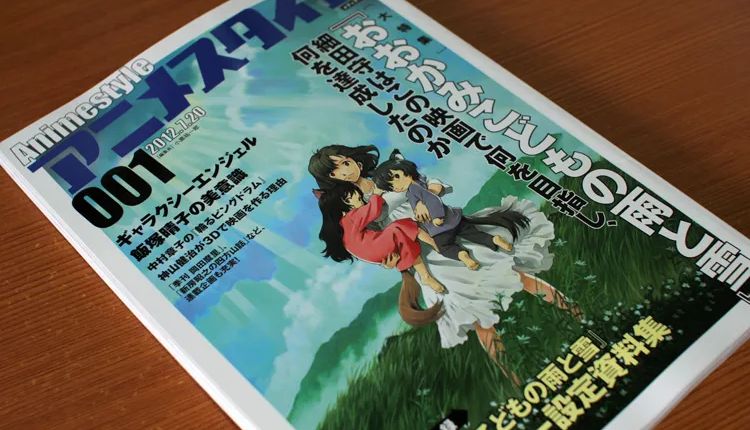
Known for its unique storytelling, diverse genres, and visually appealing artwork, manhwa appeals to readers of all ages. Unlike traditional comics, manhwa often includes digital editions, allowing for faster updates and easier availability. This article dives deep into the world of mamhwa, highlighting its history, genres, reading platforms, cultural impact, and tips for new readers.
What is Manhwa?
Mamhwa refers to comic books created in South Korea. While sharing similarities with Japanese manga, manhwa has distinct art styles and storytelling techniques. Manhwa is usually read from left to right, unlike manga, which is read from right to left. Themes vary widely, including romance, fantasy, action, thriller, horror, and slice-of-life genres. Often published on platforms like Webtoon, digital manhwa has revolutionised the way readers consume content, making it available on smartphones and tablets.
- Manhwa vs Manga: Key Differences
- Reading Orientation: Left to Right
- The trend of digital publishing
The creators of mamhwa, or manhwaga, often focus on detailed illustrations and emotional storytelling. The rise of global webtoon platforms brought manhwa to an international audience with translations into multiple languages.
History of Manhwa
The origins of mamhwa date back to the early 20th century, initially published in newspapers as humorous strips. Over time, manhwa evolved and reflected social changes in South Korea. After the Korean War, manhwa began to deal with themes of resilience, social issues, and personal growth. In the 1990s, manhwa experienced a renaissance with the introduction of color prints and various genres.
- Early newspaper comics
- Post-war themes and social reflection
- A digital adaptation from the nineties
Today, manhwa enjoys both domestic popularity and international recognition. Platforms like Naver Webtoon and KakaoPage have played a vital role in modernising the industry, making manhwa a global phenomenon.
Popular Manhwa Genres
Mamhwa covers a wide range of genres, ensuring that there is something for every reader. Some of the most popular genres include:
- Romance – love stories with a modern or historical setting
- Fantasy – Worlds of magic, mythical creatures, and epic adventures
- Action and Adventure – Heroes fighting enemies with an intense story
- Slice-of-Life – Realistic stories about everyday life
In addition, webtoons often mix genres and create unique combinations such as fantasy-romance or action-comedy. Genre flexibility allows manhwa to satisfy both young readers and audiences.
Best Manhwa Reading Platforms
Digital platforms have changed the consumption of mamhwa. The most used platforms include:
- Webtoon – Free Access, Multiple Genres, Mobile Friendly
- KakaoPage – Paid and premium content, popular in South Korea
- Lezhin Comics – Content and exclusive titles
- Tapas – Indian manhwa and international creators
These platforms also offer features like comment sections, weekly updates, and personalised recommendations. Many platforms provide mobile and tablet reading apps, ensuring easy access wherever you are.
How Manhwa differs from Manga
While manhwa shares similarities with Japanese manga, several aspects set it apart:
- Reading direction: Left to right (manhwa) versus right to left (manga)
- Art Style: Often more realistic in manhwa
- Story Pace: The Webtoon format allows for continuous scrolling, unlike page-based manga
- Cultural themes: Korean social and historical references
Manhwa often incorporate contemporary Korean culture, fashion, and language, giving readers an immersive cultural experience. This distinctiveness attracts readers looking for new perspectives beyond traditional manga narratives.
Cultural Impact of Manhwa
Mamhwa has influenced not only readers but also the rest of the entertainment industry. Many popular manhwa have been adapted into:
- K-dramas and web dramas
- Animated series and movies
- Video games
Its global appeal strengthened Korean culture around the world and contributed to the Hallyu wave. Manhwa also fosters artistic creativity and narrative innovation, inspiring international comic artists and writers.
Tips for New Mamhwa Readers
Getting started with mamhwa can seem overwhelming due to the sheer number of titles. Here are some tips:
- Get started with your favorite webtoons on platforms like Webtoon or Lezhin
- Explore genres that match your interests
- You can follow the ongoing series using the bookmark feature
- Read reviews and summaries before diving in
Consistency is key. Daily or weekly reading helps maintain story continuity, especially with ongoing series. Participating in community discussions can also enhance the reading experience.
The Future of Mamhwa
The future of mamhwa looks bright as digital platforms continue to innovate. Emerging technologies such as augmented reality (AR) and virtual reality (VR) could introduce elements of interactive storytelling. Global collaboration can lead to bilingual or multilingual editions, which will broaden the readership.
- AR/VR integration in manhwa
- Growing international translations
- Collaboration with K-Drama and the gaming industry
With growing international interest, manhwa is likely to remain a key part of global comics culture and influence storytelling trends for years to come.
Conclusion
Manhwa represents a vibrant, evolving art form with a global reach. From its historical roots to modern digital platforms, it continues to captivate audiences with rich stories and stunning visuals. Whether you’re a fan of romance, fantasy, or slice-of-life, manhwa has something for everyone and promises hours of entertainment and cultural learning.
Frequently Asked Questions about Manhwa
Q1: Is manhwa the same as manga?
No, while both are comics, manhwa originates from Korea and is usually read from left to right, with different art styles and approaches to storytelling.
Q2: Where can I read the manhwa online?
Popular platforms include Webtoon, KakaoPage, Lezhin Comics and Tapas.
Q3: Are all manhwa free?
Many webtoons are free, but some platforms offer premium or paid content for exclusive titles.
Q4: Can manhwa be adapted into other media?
Yes, many manhwa are adapted into K-dramas, anime series, movies, and video games.
Q5: How do I start reading manhwa?
Start with your favourite series, explore the genres you enjoy, and use digital platforms with bookmarking features for ongoing series.
