

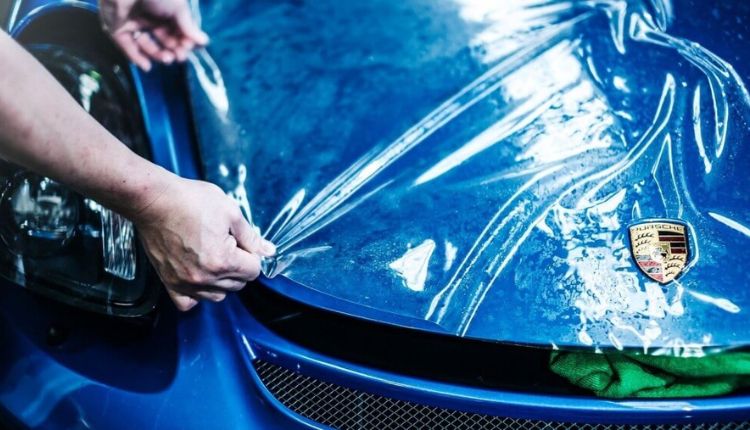
Everyday driving constantly tests your car’s paintwork. Small stones fly out from under the wheels, bits of asphalt and sand hit the body like fine sandpaper, and on highways the front end is bombarded by insects and road grime. All of this gradually leaves marks. Even if the damage is small, over time tiny chips and fine scratches make the car look older and can reduce its resale value. Any visible defect on the paint is a future expense and a reason for a buyer to ask for a discount.
Modern Solution: Paint Protection Film
PPF (Paint Protection Film) is a clear, flexible polyurethane layer applied to body panels to absorb mechanical impacts. Once installed, it is barely noticeable, keeps the color depth and body lines intact, and at the same time acts as a real physical shield. Quality PPF helps guard against:
- gravel and small stones kicked up by tires
- “sandblasting” on leading edges and high-flow areas
- road salt, chemicals, and urban dirt
For owners who want to preserve a “showroom” appearance as long as possible and cut future bodyshop bills, PPF has become a smart preventive standard.
What PPF Installation Delivers
Clear headlights and neat edgesCovering headlights, bumpers, sills, and door recesses significantly reduces dulling, chipping, and hazing. The light beam stays consistent, and the entire front of the car looks fresh much longer.
Smooth, glossy panels without swirl marksThe protective film takes the hit from sand and debris, blocking the formation of fine scratch “webbing” and peppered stone chips on the hood, wheel arches, and around door handles. Surfaces remain smooth and shiny, with no worn or matted areas.
Higher resale valueA body with intact clear coat and minimal cosmetic work is appraised noticeably higher. Documented PPF installation is a strong argument in negotiations and helps maintain residual value.
Lower ownership costsSpot repainting and correction polishing are needed far less often. You save both time and money and avoid the risk of mismatched shades when repainting individual parts.
Use and Care
Longevity depends on the film category, the quality of installation, and driving conditions. Premium films last several years, resist yellowing under UV exposure, and stay elastic in both hot and cold weather. For care, stick to regular touchless washing, pH-neutral shampoos, and gentle drying methods. To simplify maintenance even more, you can apply dedicated PPF top coats that enhance hydrophobic properties and make cleaning faster.
Priority Areas for Application
- Impact zone at the front:hood, front bumper, leading edges of front fenders, headlight and mirror housings.
- High-contact points:door edges, handle cups, sills, and the loading edge of the trunk.
- Panels under heavy airflow and debris load:surfaces where aerodynamics directs the main stream of dirt, dust, and small stones.
PPF is a sensible investment in protecting paintwork. It is almost invisible, but highly effective: it shields against day-to-day damage, keeps the car looking “like new” longer, and reduces total body maintenance costs. The best outcome comes from a high-grade film, precise pattern cutting, and installation by professionals who carefully prepare the surface before application.
