

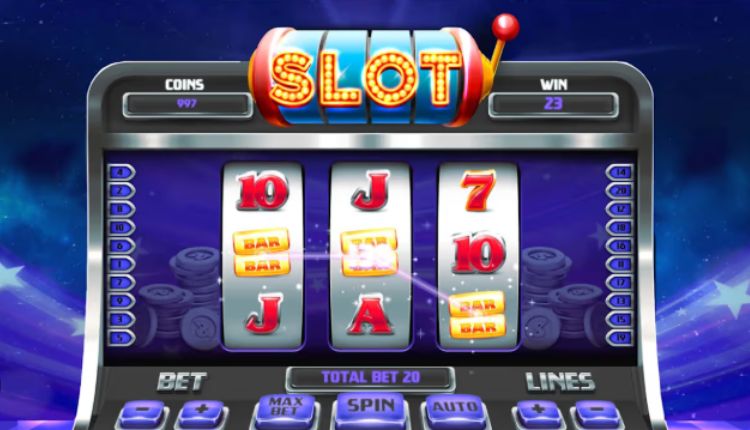
Online slot games have evolved into complex digital experiences that combine entertainment with mathematical precision and algorithmic design. While the colorful reels, themed graphics, and engaging animations may appear simple, each spin outcome is determined by Random Number Generators (RNGs) and programmed probability distributions. Platforms like nasa4d provide access to a diverse selection of slot games, each with different volatility levels, Return to Player (RTP) percentages, and bonus structures. Understanding the underlying mechanics helps players approach slots with knowledge, manage risk, and play responsibly.
Players often assume that slot outcomes are influenced by previous spins, intuition, or timing. In reality, each spin is independent, governed by RNGs and probability rules. Awareness of volatility, RTP, paylines, and bonus mechanics allows players to make informed choices instead of relying on myths or guesswork.
The Mathematical Framework Behind Slots
Random Number Generators and Spin Independence
Every online slot is powered by an RNG, a software algorithm generating thousands of numerical sequences per second, even when no one is playing. When a player initiates a spin, the RNG selects a number that maps to a specific symbol combination on the reels.
The RNG ensures that each spin is independent. Previous outcomes, whether wins or losses, do not influence future spins. Timing, clicking patterns, or using auto-spin does not change probabilities, making each spin a separate statistical event.
Regulatory Oversight and Fairness Certification
Legitimate online casinos submit their slot games for auditing by independent testing agencies. These organizations verify that the RNG produces random and unbiased results and that the game’s RTP matches advertised values.
This certification process ensures that games meet industry standards, providing players with confidence in fairness and transparency. Understanding regulatory safeguards allows players to focus on strategy rather than worrying about manipulation.
Reel Configuration and Symbol Weighting
Virtual Reels and Symbol Distribution
Online slots use virtual reels instead of physical components. Each reel contains a predefined number of symbol positions. High-value symbols appear less frequently, while low-value symbols are more common, balancing frequent smaller wins with occasional larger payouts.
Symbol weighting allows developers to adjust the frequency and size of wins without changing the visual appearance of the game. Two games with similar designs can behave very differently depending on the distribution of symbols.
Paylines vs Ways-to-Win Mechanics
Traditional slots require symbols to align along fixed paylines to generate payouts. Modern slots often implement ways-to-win systems, where matching symbols on consecutive reels generate wins regardless of exact line placement.
Dynamic reels, which change the number of symbols per spin, further increase possible combinations while maintaining consistent long-term probabilities. This design adds variety and excitement to gameplay.
Volatility and Risk Profiles
Low Volatility Slots
Low volatility slots provide frequent small wins, ideal for extended sessions and players seeking stable gameplay. These slots allow users to enjoy themes, graphics, and bonus features without risking rapid bankroll depletion.
High Volatility Slots
High volatility slots deliver larger payouts but occur less frequently. Players may experience extended periods without wins, but jackpots, multipliers, and bonus rounds can generate significant payouts.
Understanding volatility enables players to choose games that match their bankroll size, session duration, and risk tolerance.
Return to Player (RTP) and House Edge
Understanding RTP
Return to Player (RTP) represents the theoretical percentage of wagers returned to players over millions of spins. For example, a 96% RTP slot is designed to return $96 for every $100 wagered in the long term.
RTP does not predict short-term results. Variance ensures that session outcomes can vary widely from the theoretical average, making patience and discipline important for players.
House Edge
The house edge is the complement of RTP (100% – RTP). A slot with a 96% RTP has a 4% house edge. This margin allows the casino to remain profitable while giving players the chance to win in individual sessions.
Understanding RTP and house edge helps players make rational decisions, view slots as entertainment rather than income, and manage expectations realistically.
Bonus Features and Advanced Mechanics
Free Spins and Multipliers
Free spin rounds are triggered by scatter symbols and allow additional spins without extra wagers. Many slots include multipliers, sticky wilds, or expanding wilds during free spins to increase winning potential.
Bonus rounds are often where medium and high volatility slots deliver their largest payouts. Knowing how to trigger and maximize these features can significantly improve session outcomes.
Wild Symbols and Cascading Reels
Wild symbols substitute for other symbols to complete combinations. Variations include stacked, expanding, and sticky wilds.
Cascading reels remove winning symbols and replace them with new ones during the same spin. This allows multiple consecutive wins from a single wager, enhancing excitement without altering probability.
Psychological Design Elements
Audio-Visual Reinforcement
Slots use sound effects, flashing lights, and visual animations to engage players. Celebratory cues accompany wins, even small ones, creating a sense of reward and encouraging continued play.
Near-Miss Effects
Near-miss outcomes occur when symbols almost complete a winning combination. While visually stimulating, they do not affect the probability of future wins. Recognizing these design elements helps players maintain rational gameplay and avoid chasing false patterns.
Bankroll Management and Responsible Play
Budgeting and Bet Allocation
Players should establish a session bankroll before playing and divide it into small bet units, typically 1–2% per spin. This approach extends gameplay and reduces the impact of variance.
Time and Loss Limits
Setting session time limits prevents fatigue and impulsive decisions. Predetermined loss thresholds help maintain control and promote responsible gaming. Taking breaks after wins or losses ensures rational and disciplined play.
Debunking Slot Myths
“Hot” and “Cold” Machines
A common myth is that a slot is “due” for a win after a losing streak. RNG technology guarantees that each spin is independent, making this belief false.
Bet Size and Odds Misconception
Larger bets increase potential payouts but do not improve the probability of winning. The chance of hitting a combination remains constant regardless of wager size. Understanding this prevents players from unnecessary risk escalation.
Choosing the Right Slot Game
Evaluating Game Metrics
Before playing, review RTP, volatility, bonus frequency, and maximum payout potential. Platforms like nasa4d provide these details to help players select games that fit their goals.
Aligning Slots with Objectives
Some players prioritize immersive themes, animations, and interactive features, while others focus on maximum payout potential or progressive jackpots. Progressive jackpot slots may deliver huge rewards but often involve higher volatility and longer dry spells.
By understanding slot algorithms, volatility, RTP, bonus mechanics, psychological design, and bankroll management, players can approach online slot gaming on nasa4d with knowledge and strategy. This promotes responsible play, maximizes entertainment, and ensures informed decision-making during sessions.
