

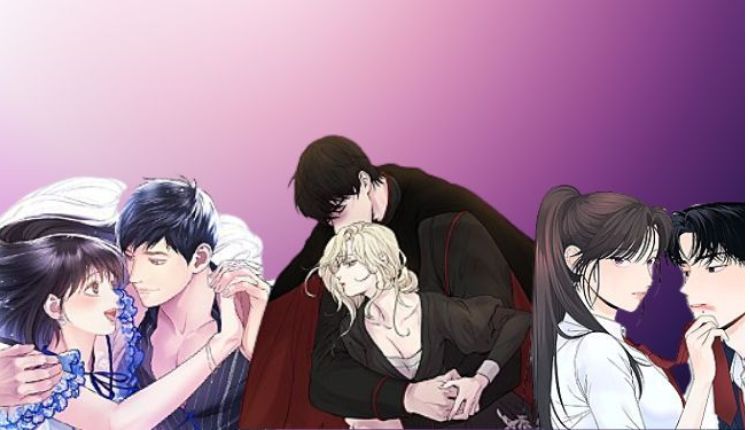
While the topic is often surrounded by misconceptions and sensationalist claims, the reality is more complex and rooted in Japan’s long comics tradition, modern publishing systems, and global fan culture. This article explores what hentai manga is, how it evolved, what art and story approaches are common, how it is distributed today, and why responsible legal consumption is important. The goal is to provide a clear, SEO-friendly and informative overview without explicit descriptions and without linking to external sources.
What does “Hentai Menga” mean?
“Hentai” in Japanese generally refers to something abnormal or perverted, but outside of Japan, it has become shorthand for anime and manga made for mature audiences. “Manga” means comics, and “menga” is a common misspelling used in searches, which is why “hentai menga” appears as a popular keyword.
In practice, the term refers to illustrated stories intended exclusively, published in comic book format and distributed through legal channels in countries where such material is permitted.
Historical roots of comics in Japan
Themes in illustrated storytelling Hentai Mengadid not begin with modern publishing. Japan has a long tradition of printed art and serialized narratives, and some historical prints included mature subject matter centuries ago.
With the rise of modern “hentai menga” magazines after World War II, genres quickly expanded to serve a variety of audiences, including. In the late twentieth century, niche magazines and publishers targeted readers, creating a structured industry that operated separately from mainstream youth comics. This separation helped establish clear market categories and distribution rules.
Art styles and visual storytelling
One of the reasons why “hentai menga” has gained international attention is its distinctive art style, which often shares a visual language with mainstream manga. The artists use strong facial features, dramatic panel composition, and strong emotional cues to guide the reader through the story.
It focuses not only on themes, but also on the mood, pace and reactions of the characters. Many creators emphasize atmosphere and narrative rather than relying on a single visual approach, which explains why fans often follow specific artists rather than just genres.
Story approaches and narrative structure
Although people often assume that comics lack a story, many “hentai menga” works contain detailed plots, character stories, and emotional arcs. Some stories are short and episodic, while others run as multi-chapter series with developing relationships and conflicts.
Common narrative devices include romantic tension, comedic misunderstandings, and dramatic twists. These elements mirror the storytelling methods found in other genres of manga, which helps explain why readers who enjoy general manga sometimes explore categories as well.
Genres and themes without sensationalism
Within “hentai menga”, there are many subgenres shaped by tone and focus on narrative rather than explicit detail. Some works lean towards a romantic narrative and emphasize the emotional connection between characters. Others adopt a comedic tone and use exaggerated situations for humor.
There are also dramatic stories that explore jealousy, ambition or personal growth in relationships. Understanding these thematic variations helps to clarify that genre is not a single, unified style, but a broad category with different creative goals.
The difference between Hentai Manga and Ecchi
A common point of confusion is the difference between “hentai menga” and ecchi. Ecchi is a mainstream genre that includes suggestive humor and mild fan service, but is usually published in magazines for a general audience.
Hentai manga, on the other hand, is expressly distributed through age-restricted channels. This distinction is important for both legal and content reasons, which is why publishers and online platforms adhere to strict labeling and access controls.
How creators produce and Hentai menga
Many “hentai menga” artists follow similar production processes to mainstream manga creators. They plan scripts, design characters, and work with editors to control pacing and visual clarity.
Some artists are independent and publish digitally, while others work with established publishers who publish monthly or quarterly magazines. Digital tools have lowered barriers to entry and allowed more creators to reach niche audiences while still operating within legal frameworks.
Digital distribution and changing reading habits
The rise of digital publishing has changed the way comics are consumed. Readers now often access content through subscription services, official apps, or licensed marketplaces instead of print magazines themselves. This shift has helped creators reach international audiences and encouraged publishers to invest in translation and global marketing. It has also increased the importance of age verification systems and content moderation to ensure that material only reaches appropriate audiences.
Censorship, regulation and legal aspects
Content laws vary widely from country to country, and even Japan has specific regulations regarding how certain images are presented. Publishers design their products to meet local rules, and international platforms apply additional restrictions depending on regional laws. It is critical for the reader to understand that legality depends on the jurisdiction. Responsible platforms will make their compliance policies visible and adjust catalog availability accordingly.
Cultural impact and global fandom
Hentai menga has influenced art styles, online communities, and fan discussions in many countries. Conventions, art circles, and digital forums often include spaces dedicated to comics, though these spaces are usually separate from the general audience.
This global fandom spurred cultural exchange, with artists outside of Japan adopting manga techniques while bringing their own storytelling traditions to the mix. As a result, the genre continues to evolve rather than remain a purely homegrown product.
Economic aspects of the mango market
From a business perspective, hentai manga represents a niche but stable segment of the publishing industry. Revenue comes from sales of magazines, digital subscriptions, direct platforms for artists and merchandise associated with popular series.
While not matching the scale of mainstream manga franchises, it provides a sustainable income for many artists and small publishers. This economic structure encourages experimentation and niche storytelling that may not survive in mass market conditions.
Responsible and ethical consumption
Because hentai manga is entertainment, responsible consumption is essential. This means respecting age restrictions, using legal platforms that compensate creators, and being aware of how personal media habits affect well-being.
Ethical consumption also involves understanding cultural differences and avoiding the spread of unlicensed material that undermines artists’ livelihoods. When fans support official releases, they help maintain quality standards and encourage creative diversity.
Common Misconceptions About Hentai Manga
One widespread misconception is that all comics are purely visual and lack narrative value. As discussed earlier, many works invest heavily in character development and story structure.
Another misconception is that the genre is socially isolated, when in reality many creators also work in mainstream publishing and bring techniques from storytelling into broader media projects. Finally, some assume that interest in comics replaces interest in other genres, but for most readers it is simply one part of a wider media diet.
Future Trends in Hentai menga
Looking ahead, technology will likely continue to shape how “hentai menga” is created and consumed. Improved digital drawing tools, international collaboration, and targeted subscription models are already changing production methods.
There is also growing interest in interactive storytelling formats and cross-media adaptations that blend comics with audio or limited animation. At the same time, discussions about ethical standards and platform responsibility are pushing publishers to refine guidelines and community policies.
Conclusion
“Hentai menga,” more accurately known as hentai manga, is a complex and multifaceted category within the broader world of Japanese comics. It has deep historical roots, diverse artistic styles, and evolving distribution models shaped by digital technology and global fandom.
Understanding the genre requires moving beyond stereotypes and recognizing the professional systems, creative ambitions, and legal frameworks that support it. When approached responsibly and legally, manga can be appreciated as a specialized form of visual storytelling that reflects both cultural tradition and modern media trends.
FAQs
What is the difference between hentai manga and regular manga?
Hentai manga is intended strictly for audiences and distributed through age-restricted channels, while regular manga targets a wide range of age groups and is sold in general bookstores and mainstream platforms.
Is “hentai manga” the correct spelling?
The standard spelling is “hentai manga,” but “hentai menga” is a common search variation used by many people online, especially in non-Japanese communities.
Can hentai manga have real stories and characters?
Yes, many titles include structured plots, recurring characters, and emotional development, similar to other manga genres, though they are designed for mature readers.
Is it legal to read hentai manga everywhere?
Legality depends on local laws and platform policies. Some countries restrict access to content, so readers should always check regulations in their region and use compliant services.
How can readers support creators responsibly?
By using licensed platforms, purchasing official releases, and respecting age restrictions, readers help ensure that artists and publishers are fairly compensated and that content remains within legal standards.
Is interest in hentai manga unusual among manga fans?
Not necessarily. Many manga readers explore different genres over time, and comics are simply one of many categories within a diverse global fan culture.
