

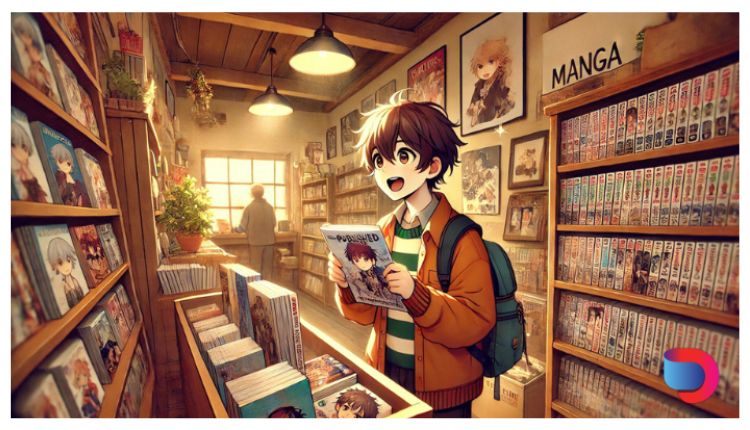
While the genre is primarily known for its orientated storytelling, its popularity is also linked to unique art styles, cultural influences, and a long history rooted in Japanese visual tradition. Over the years, it has expanded beyond Japan and gained a huge online readership, giving rise to debates, fan communities, and content variations across platforms.
This article offers a comprehensive, safe, non-graphic overview for readers who want to understand what hentai anime comics are, how they evolved, who reads them, and why they remain a significant cultural element in modern media consumption.
Origin and historical development
The origins of themed illustrated content in Japan can be traced back centuries. Japanese art, especially during the Edo period, included many forms of expressive illustrations and woodblock prints. Although style and presentation have evolved dramatically, the concept of visually driven storytelling has historical roots.
Modern forms began to emerge with the growth of manga and anime. As printing methods, magazines, and later digital platforms expanded, creators found room to express fantasy-driven stories through stylised character art and imaginative plots. Over time, specific themes, character designs, and tropes became associated with the genre, forming what readers recognise today as hentai anime comics.
Why the genre became popular worldwide
Although the genre originated in Japan, it has spread throughout the world thanks to its distinctive art style and hentai anime comics. International anime fans already familiar with Japanese animation found the transition to be a natural one, as many stylistic elements are consistent across genres.
Some reasons for the global rise include:
- Highly stylised art that differs from Western comics
- Fantasy-driven storytelling unfettered by realism
- Online availability with the growth of digital platforms
- Strong fan communities that discuss, share and review work
This combination has helped the genre reach millions of readers from different countries, age groups (readers only) and cultural backgrounds.
Artistic features and visual style
One of the reasons hentai anime comics stand out is their visual identity. Artists often use exaggerated expressions, dramatic poses, vibrant colours and detailed environments. While the content may be mature in nature, the artistic process is just as intricate and skilled as any other manga style.
Several artistic elements define the genre:
- Bold line drawings
- Expressive reactions of the characters
- Improved emotional storytelling
- Unique panel construction
A mixture of fantasy, science fiction, romance and action themes
These qualities affect how the story feels, so the art style is an essential part of the genre’s appeal.
Different types of stories are found in the genre
Although many people associate the genre only with themes, hentai anime comics actually encompass a wide variety of stories. Some focus on romance, while others explore humour, supernatural elements, futuristic worlds, or dramatic emotional arcs.
Common categories include:
- Slice-of-life stories with emotional connections
- Fantasy adventures set in magical or mythical worlds
- Sci-fi stories involving a futuristic setting
- Plots focused on comedy mixed with over-the-top reactions
- Dramatic or psychological story arcs
Because the medium is extremely flexible, creators can push the boundaries of imagination in a way that live-action media often can’t.
Cultural significance in Japan
In Japan, comics and animated works known as manga and anime are not reserved for children. They are mainstream and widely accepted as forms of artistic and literary expression. Hentai anime comics, while aimed, fall under this larger cultural umbrella.
Several cultural factors influence their emergence:
- Japan has long embraced illustrated storytelling
- A large and active manga market
- A strong community of creators producing professional and independent work
- Manga conventions and doujin culture that encourage self-publishing
The genre is also part of Japan’s vast entertainment ecosystem, where niche interests are represented in a variety of formats, from magazines to online communities.
Reader demographics and Hentai anime comics
The audience for hentai anime comics is diverse. While traditionally a male-dominated readership, digital platforms and changing social norms have broadened the demographic.
Today’s readers include:
- Anime fans who enjoy stylised art
- Individuals interested in fantasy stories
- People exploring different forms of graphic storytelling
- Fans of Japanese culture and creative expression
Gender diversity has increased over the years, with more women and an international audience joining the fandom.
Digital growth and modern consumption
With the advent of digital platforms, this genre has seen massive growth. Online accessibility allowed creators to publish and distribute work instantly. Readers also got faster access to niche stories, translations and community discussions.
Several factors contributed to the digital expansion:
- The rise of manga-reading websites
- Fan pages on social networks
- Translation groups and fan communities
- E-book platforms specialising in illustrated content
Digital consumption continues to shape the way new titles are discovered and shared.
Ethical considerations and rules for content
As the genre deals with material, responsible consumption and ethical awareness are essential. Different countries have regulations regarding hentai anime comics, and readers should be aware of legal boundaries before accessing or sharing content.
Key considerations include:
- Age restrictions
- Local content regulations
- Respect for artists and legal distribution
- Avoiding pirated or unauthorised content
Creators also face ethical responsibilities, ensuring that material meets community guidelines and respects the boundaries of acceptable topics.
Tips for readers exploring the Hentai anime comics
It is important for those who wish to understand or explore the genre to do so responsibly and safely. Here are some tips:
- Choose trusted, legal platforms
- Please check age restrictions before accessing any content
- Avoid downloading from unknown or malicious sites
- Be mindful of your digital privacy
- Support the artist by following official releases
These guidelines help maintain a safe and responsible reading environment.
The Bottom Lines
Hentai anime comics are a unique and culturally significant part of global manga. Their widespread popularity is not only due to their themes but also to their artistic creativity, imaginative storytelling, and strong community. Understanding the genre requires looking beyond its label and appreciating the visual artist.
While it remains a focused medium, it continues to evolve as digital platforms grow and international communities contribute to its development. Future trends suggest even more innovation, broader audience participation, and new creative directions.
FAQs
1. What are hentai anime comics?
They are illustrated, orientated stories that use anime-style art and manga storytelling techniques.
2. Are they only available in Japan?
No. Although they originated in Japan, they are now popular worldwide through digital platforms.
3. Who reads them?
Readers from various hentai anime comics, including both men and women, who enjoy stylised storytelling and imaginative art.
4. Are they legal to read?
This depends on your country’s laws. Always check local regulations and follow age guidelines.
5. Are they all explicit?
Most works include themes, but narrative depth, fantasy elements, and emotional stories are also major components.
