

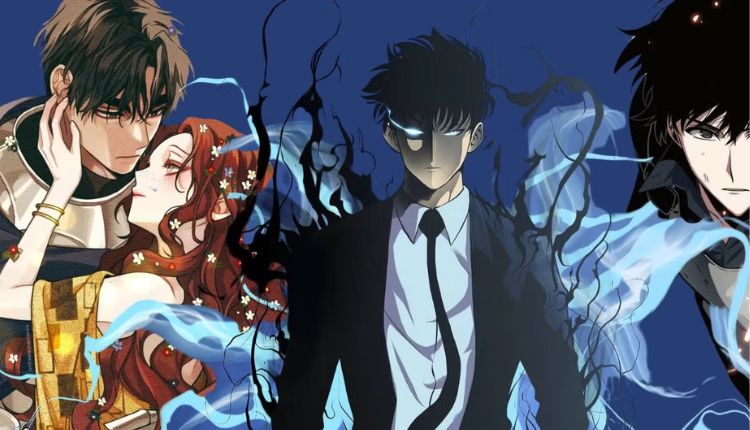
Originating in South Korea, manhwa represents a unique artistic and narrative tradition that differs from Japanese manga and Western comics. Within this broader category, manhwa focuses on mature themes such as intimacy, desire, emotional tension, and relationships, while still emphasising storytelling, character development, and visual art rather than purely explicit content.
Over the past decade, manhwa has gained significant popularity due to the rise of mobile reading and web publishing platforms. Readers from different countries are now exploring this genre not only for its sensual tone but also for its psychological depth and modern storytelling. Erotic manhwa often reflects contemporary social issues, emotional struggles, and complex human relationships, making it more layered than many people initially think.
The origin and development of erotic manhwa
The roots of manhwa can be traced back to early Korean illustrated literature and newspaper cartoons. As South Korea modernised and digital infrastructure improved, manhwa moved from print to online formats. This shift allowed creators to explore niche genres, including orientated storytelling, without relying too heavily on traditional publishing.
Erotic manhwa developed alongside webtoon culture. Digital platforms allowed for vertical scrolling, full-colour artwork, and episodic releases that lent themselves well to mature storytelling. Creators were given more creative freedom to tackle themes such as loneliness, passion, betrayal and emotional healing. Instead of focusing only on physical intimacy, many manhwa series began to emphasise the emotional realism and psychology of the characters.
Art style and visual presentation
One of the defining features of manhwa is its sleek and expressive art style. Unlike traditional black and white comics, most erotic manhwa are published in full colour. This visual richness enhances mood, atmosphere and emotional impact.
Artists pay close attention to facial expressions, body language and subtle visual cues. These details help convey attraction, tension and vulnerability without relying on overly explicit imagery. Backgrounds are often carefully designed to reflect urban life, the workplace or the home environment, making the stories feel grounded and relatable.
Key visual features often include:
- Clean and modern character design
- Detailed facial expressions expressing emotions
- Soft lighting and color tones to improve mood
Narrative depth and narrative themes
Erotic manhwa often explore complex stories that go beyond superficial romance. Many stories focus on flawed characters dealing with real-life challenges such as career pressures, broken relationships, trauma, or societal expectations. Intimacy is often used as a narrative tool rather than the sole focus of the story.
Common themes in manhwa include trust, power dynamics, emotional dependence, and personal growth. These elements allow readers to connect with the characters on a deeper level. The slow development of relationships and emotional tension often becomes more engaging than instant gratification.
Common narrative elements include:
- Gradual character development
- Emotional conflicts and internal struggles
- Development of the relationship over time
Popularity and global appeal
The worldwide appeal of manhwa has grown rapidly, especially among readers who prefer mature narratives. Digital accessibility played a major role in this expansion. Readers can easily access serialised content on their smartphones, making it a convenient form of entertainment.
Cultural curiosity also contributed to its popularity. International audiences are drawn to Korean storytelling styles, social settings, and relationship dynamics. Erotic manhwa offers a different perspective compared to Western comics, often focusing more on emotional nuance and slow storytelling.
Representation and character diversity
Another notable aspect of erotic manhwa is its increasing focus on diverse representations of characters. The stories now feature characters from different age groups, professions and walks of life. This variety allows readers to see reflections of real-life experiences and challenges.
Female characters in particular are often portrayed with more agenda and emotional depth than traditional stereotypes. Many stories are written from multiple points of view, allowing readers to understand motivations and emotional conflicts from different perspectives. This balanced approach has helped the genre gain respect outside of its label.
Ethical boundaries and responsible storytelling
As erotic manhwa grows in popularity, discussions about ethical storytelling become more important. Responsible creators carefully depict consent, mutual respect, and emotional consequences in their narratives. This approach helps distinguish well-crafted manhwa from content that lacks depth or responsibility.
Readers are increasingly appreciating stories that handle mature themes sensitively and realistically. This shift encourages creators to focus on meaningful storytelling rather than shock value, contributing to the long-term sustainability of the genre.
The role of technology and digital platforms
Technology played a key role in shaping the erotic manhwa industry. Web platforms allow creators to self-publish and get direct feedback from readers. This interaction helps shape ongoing stories and improves engagement.
Monetisation models such as episodic purchases and subscriptions support creators financially while maintaining accessibility for readers. As digital reading habits continue to evolve, manhwa remains well-positioned to adapt and grow.
Cultural influence and social discussion
Erotic manhwa has also sparked broader cultural discussions about entertainment, emotional health, and modern relationships. By portraying intimacy as part of everyday life rather than a taboo subject, these stories contribute to a more open conversation among audiences.
In many cases, manhwa challenges traditional norms and highlights changing societal values. This cultural relevance adds another layer of importance to the genre beyond entertainment.
The Bottom Lines
Erotic manhwa is more than just an comic genre. It represents a modern form of storytelling that combines visual artistry, emotional depth and mature themes. Through thoughtful narratives, expressive artwork, and responsible storytelling, manhwa has created a unique space in global digital literature. Its continued growth reflects changing reader preferences and a desire for stories that explore intimacy with honesty and emotional intelligence. As the genre evolves, it is likely to gain even more recognition and respect within the wider creative world.
FAQs
What makes manhwa different from other comics?
Manhwa places strong emphasis on storytelling, emotional development, and character psychology rather than focusing solely on explicit content. The full-colour digital format and modern themes also set it apart.
Is manhwa only about physical intimacy?
No, many erotic manhwa stories focus heavily on emotional connections, personal struggles, and relationship growth. Physical intimacy is often used to support the narrative rather than define it.
Who typically reads manhwa?
The primary audience consists of readers who enjoy mature storytelling, emotional realism, and visually engaging narratives.
Why has manhwa become so popular globally?
Digital accessibility, high-quality artwork, and relatable modern themes have contributed to its growing international appeal.
Can erotic manhwa be considered a form of literature?
Yes, many readers and critics view well-written manhwa as a legitimate form of digital literature due to its narrative depth, thematic complexity, and artistic value.
