

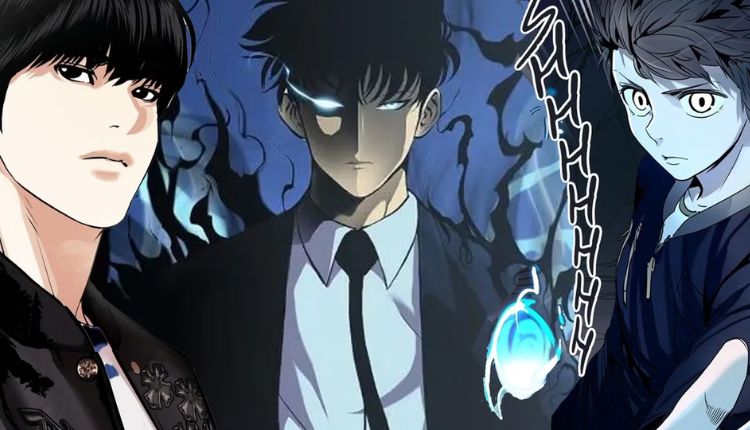
While the spelling may vary, the interest is usually attached to the wider world of “manhwa he tai” and its more mature narrative categories. In this comprehensive guide, we explore what manhwa is, how genres have evolved, cultural backgrounds, digital platforms, global popularity, legal considerations, and important safety awareness for readers.
This article is structured with eight detailed subheadings, each offering an in-depth discussion to help readers understand the topic from multiple perspectives.
What is Manhwa?
“Manhwa he tai” refers to comic books and graphic novels originating in South Korea. Similar to Japanese manga and Chinese manhua, manhwa has its own art style, reading format, and approach to storytelling. Modern manhwa, traditionally printed in black and white, is now heavily associated with digital webtoon platforms that use vertical scrolling formats.
Historically, manhwa began to evolve in the early 20th century, influenced by political shifts, cultural changes, and later the digital transformation. During the late 1990s and early 2000s, the Internet revolutionised Korean comics. The introduction of webtoons allowed creators to publish content online and make it available worldwide.
Over time, manhwa diversified into many genres:
- Romance
- Fantasy
- Action
- Historical drama
- A slice of life
- The horror
- Stories
As part of this expansion, orientated categories have evolved. However, these are usually clearly labelled and separated from content for general audiences.
The rise of smartphones and online reading apps has greatly contributed to the popularity of manhwa. Unlike traditional print comics, web formats have made it easier for a global audience to discover Korean storytelling styles.
Understanding the broader foundation of manhwa helps clarify where or mature subgenres fit into the broader ecosystem of Korean digital comics.
Meaning of searching for “Manhwa He Tai”.
Many online searches use alternative spellings such as “he tai” instead of the more recognised term “manhwa he tai”. In the context of manhwa, such searches are usually for comics or explicit comics. However, it is important to distinguish between the terminology of Japanese origin and Korean content.
While Japanese manga has the familiar label of an subgenre, Korean manhwa does not always officially use the same terminology. Instead, content in Korean comics is often categorised into:
- 18+ webtoons
- Romance
- Mature drama
- Explicit psychological narrative
Search behaviour often reflects curiosity about content combined with Korean comic book styles. However, not all mature manhwas focus solely on explicit material. Many titles include complex character development, emotional themes, social commentary, or dramatic storytelling.
It’s also worth noting that online keyword searches sometimes incorrectly mix cultural terms. “Manhwa he tai” is an example of how a global audience combines familiar Japanese expressions with Korean content.
Readers should approach such content with caution, particularly about:
- Age restrictions
- Platform Guidelines
- Local laws
- Content warning
Understanding the differences in terminology helps prevent confusion and promotes responsible exploration of digital comics.
The rise of themed webtoons in the digital age
The digital transformation of the Korean comic industry has greatly influenced storytelling. Webtoon platforms created a space where creators could explore more diverse themes beyond the traditional confines of print.
Oriented webtoons became popular because:
- Offer a mature relationship narrative
- Explore the psychological depth
- Present realistic conflicts
- Address taboo social topics
Many themed manhwa are created for mature audiences and published under strict verification systems. Platforms often require age verification to access such material.
Unlike older print comics, digital webtoons allow you to:
- Episodic editions
- Direct feedback from readers
- Monetization via subscription
- Global distribution
This digital ecosystem supports a wide range of creative freedom. However, platforms also maintain content regulations to ensure compliance with national and international standards.
It is important to note that themes in “manhwa he tai” can vary widely. Some focus on romance and relationships, while others emphasise the darker elements of the narrative. Not all content is explicit; some works focus more on emotional complexity and character growth.
As digital reading habits continue to grow, webtoons remain a niche but significant segment of the wider manhwa industry.
Cultural influences on the storytelling of mature Manhwa
Korean storytelling traditions heavily influence “manhwa he tai”, including works with themes. Social norms, generational conflicts, and evolving modern relationships all shape narratives within the genre.
Cultural elements often reflected in orientated manhwa include:
- Workplace hierarchy
- University life
- Marital pressures
- Social expectations
- Urban isolation
Korean media in general tends to have emotional depth with character-driven plots. Even in mature categories, the narrative often emphasises drama and interpersonal dynamics over pure sensationalism.
Modern Korean society has experienced rapid technological and cultural change. This transformation affects comic book creators, who often explore:
- Changing dating culture
- Gender roles
- Career stress
- Identity exploration
Since Korean webtoons are widely distributed internationally, creators sometimes adapt themes to appeal to a global audience. This international exposure also encouraged experimentation with artistic styles and narrative pacing.
Understanding the cultural context helps readers interpret topics responsibly, rather than viewing content through a purely sensational lens.
Age Considerations When Accessing Manhwa
Accessing themed “manhwa he tai” requires important legal and ethical considerations. Different countries have different laws regarding explicit digital content.
Most official platforms that host mature manhwa:
- Require age verification
- Use content tagging systems
- Restrict access to minors
- Implement subscription barriers
Readers must respect these systems. Access by minors to explicit material may violate both platform rules and local regulations.
In addition, copyright laws protect authors. Unauthorised distribution or downloading of manhwa may result in legal consequences.
Responsible reading includes:
- Using official platforms
- Compliance with age guidelines
- Avoiding pirated content
- Respecting content notices
Digital literacy plays a big role here. Young Internet users should be especially careful when they encounter content online.
Global popularity and online search trends
The global rise of Korean entertainment—often referred to as the “K-wave”—has increased interest in “manhwa he tai” around the world. Alongside K-pop and Korean dramas, webtoons have gained a massive international following.
Search trends show growing interest in:
- Korean romance webtoons
- Fantasy manhwa
- Mature storytelling
- Adaptation into TV dramas
Many popular webtoons have been adapted into streaming series, increasing curiosity about the original comic book versions.
However, search terms such as “manhwa he tai” reflect how online curiosity intersects with interests in content. The Internet enables rapid cross-cultural exchange, but it also conflates terminology and expectations.
Global readers are attracted to Korean webtoons because of:
- High-quality artwork
- Emotional storytelling
- Innovative digital format
- Frequent updates
While content forms part of the ecosystem, it is only one segment of a much broader industry.
Understanding search trends helps explain why certain keywords gain popularity even when they combine multiple cultural influences.
Differences between Japanese
Although a search term may mix Japanese and Korean terminology, there are structural differences between industries.
Japanese manga has historically developed distinct subgenres with specific naming conventions. However, Korean “manhwa he tai” typically categorises content under broader labels rather than a single catch-all term.
The main differences include:
- Reading format (vertical scrolling vs. page format)
- Distribution channels (webtoon platforms vs. print magazines)
- Regulatory framework
- Artistic influences
Korean webtoons for often have a strong focus on modern urban settings and relationship-based plots. Meanwhile, Japanese manga for may follow different stylistic traditions.
It is important not to assume that terminology from one country automatically applies to another. Each creative industry develops independently, shaped by the cultural and legal environment.
Recognising these differences prevents misunderstandings and promotes more informed media consumption.
Responsible consumption and digital awareness
Responsible behaviour is important when exploring “manhwa he tai”. The Internet makes access easier, but not all content is suitable for all target groups.
Digital awareness includes:
- Understanding age restrictions
- Respecting content boundaries
- Avoiding illegal sites
- Privacy protection
Young users in particular should prioritise safe browsing practices. Many platforms offer filtering systems that allow users to control what content they see.
Parents and guardians may consider:
- Using parental controls
- A discussion of online media literacy
- Tracking digital habits
For readers, a selection of official platforms ensures:
- Support for creators
- Better content quality
- Reduced malware risks
- Legal protection
Mature storytelling in comics can explore complex emotional themes, but readers should always evaluate content responsibly and critically.
Healthy media habits contribute to positive online experiences.
Conclusion
The keyword “manhwa he tai” reflects the global curiosity about Korean comics and mature storytelling genres. While the terminology can sometimes confuse cultural influences, understanding the broader context of manhwa helps clarify its place in the digital entertainment landscape.
Manhwa has grown from traditional print comics into a strong global webtoon industry. themed content represents only one segment of this diverse ecosystem. Cultural influences, digital platforms, legal considerations, and global trends influence how mature manhwa is developed and consumed.
Readers should approach such content with awareness, responsibility and respect for age guidelines and copyright laws. That way, they can better appreciate the artistic and narrative depth that Korean comics have to offer without understanding the cultural differences.
Frequently asked questions
What does “manhwa he tai” mean?
It is a search term that usually refers to themed Korean comics, although the terminology mixes Japanese and Korean cultural references.
Is all manhwa content only?
No. Most manhwa cover genres such as romance, fantasy, action, and drama. Themed stories are just one category in a much larger industry.
Are there age restrictions for manhwas?
Yes. Official platforms usually require age verification and restrict access to users under the age of 18.
Is it legal to read manhwa online?
It depends on local laws and age requirements. It is always recommended to use official licensed platforms.
How is Korean manhwa different from Japanese manga?
Manhwa often uses vertical scrolling digital formats and may follow different cultural storytelling traditions compared to Japanese manga.
Why is Korean webtoon content so popular worldwide?
High-quality artwork, emotional storytelling, digital availability and global entertainment trends have contributed to its international popularity.
