

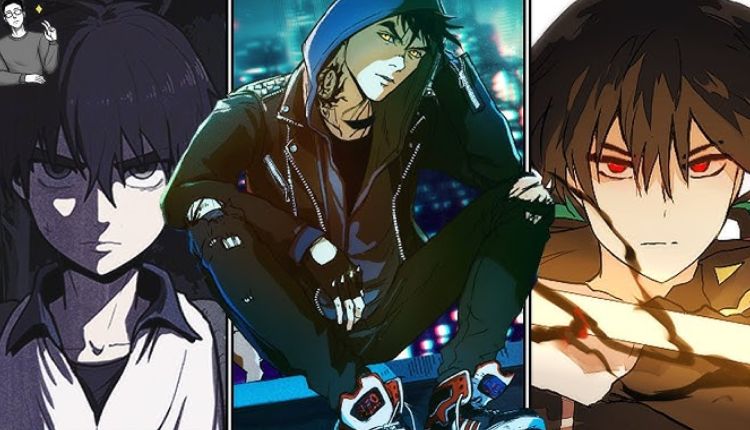
While the original Japanese term is widely known, many global users search with variations such as “hentiamanga”, making it an important SEO keyword in entertainment and pop-culture discussions. Over the years, the genre has grown from a niche interest to a globally recognized part of digital manga culture. But beyond superficial curiosity, there is a deeper creative, cultural, and technological story behind its popularity.
Hentia manga is part of the wider manga industry, which includes a myriad of genres such as action, romance, fantasy, sports, and science fiction. What sets hentia manga apart from mainstream manga is not the art style or narrative format, but rather the focus on mature storytelling aimed exclusively at an audience. Understanding this difference is essential to a responsible and accurate discussion of the topic.
The origin and development of Hentiamanga
The roots of hentiamanga are linked to a long tradition of illustrated storytelling in Japan. Artistic depictions of romance and intimacy existed centuries before modern comics and often appeared in classical art forms. As modern manga developed in the twentieth century, artists began to explore every possible genre, including stories intended for readers.
Over time, these oriented comics adopted narrative structures similar to mainstream manga, including character development, dramatic tension, and long-running series. This shift helped push the genre beyond short content and into serialized storytelling, increasing reader engagement and fan loyalty. As printing and publishing technologies improved, distribution became easier and specialized creators gained more freedom to experiment with subject matter and styles.
Art style and visual storytelling
One of the defining features of hentiamanga is its strong emphasis on expressive illustration. Artists often use exaggerated facial expressions, dynamic panel layouts, and detailed backgrounds to heighten emotional impact. These visual techniques are not exclusive to manga, but are refined within the genre to more clearly communicate the mood and relationships between characters.
Character design plays a major role in attracting readers. Hairstyles, clothing, posture, and facial features are carefully crafted to reflect personality traits and emotional states. Even in stories aimed at an audience, visual storytelling still follows the same artistic principles used in traditional manga, such as pacing, framing, and symbolic imagery.
Because of these artistic standards, many readers appreciate hentai manga not only for its mature themes, but also for the craftsmanship behind the illustrations. This artistic appeal has helped some creators gain recognition beyond their original niche.
Telling stories beyond surface-level topics
Although many people associate hentiamanga only with content, a large number of works in this category also explore emotional, psychological, and social themes. Some stories focus on romance, personal struggles, or power dynamics, using mature storytelling as a narrative device rather than the main attraction.
Writers of this genre often experiment with alternate worlds, science fiction settings, or fantasy settings. These creative settings allow them to tell stories that would be difficult to explore in realistic contexts. As a result, some series attract readers who are as interested in imaginative storytelling as they are in the genre elements.
This depth of storytelling is one of the reasons Hentaimanga continues to maintain a loyal fan base. Readers who connect with characters and story arcs are more likely to follow long series and support creators through legal platforms.
Digital platforms and global reach
The rise of the internet has changed the way people discover and consume manga, including hentiamanga. Digital platforms allow readers from different countries to access content that was once limited to physical bookstores in Japan. This accessibility played a major role in expanding the global audience.
Online communities, forums, and social media groups help fans share recommendations, discuss storylines, and support their favorite artists. Translation communities have also contributed to international popularity by making content readable to non-Japanese speakers, although official licensing remains the most sustainable way to support creators.
Mobile devices have further increased consumption by allowing users to read anytime, anywhere. As reading habits shift toward digital screens, creators and publishers continue to adapt their formats to accommodate scrolling, mobile layouts, and interactive features.
Legal and ethical aspects
Because hentiamanga involves themes, laws vary widely between countries. What is acceptable in one region may be restricted in another, so it is important that readers and publishers understand local laws. Age restrictions are especially important as this content is intended for only.
Ethical discussions also Hentiamanga arise around how characters and relationships are portrayed. Responsible creators aim to present fictional stories without promoting harmful behavior or unrealistic expectations. Industry standards continue to evolve as audiences increasingly talk about representation, consent and respectful storytelling.
For readers, choosing legal platforms helps ensure that artists receive fair compensation and that content distribution is regulated. Supporting official releases also encourages higher production quality and more diverse storytelling.
Impact on popular culture and fan communities
Hentiamanga has influenced various aspects of online culture, including fan art, cosplay, and independent comic book creation. Some artists begin their careers in this genre before moving into mainstream publishing and bringing their storytelling skills and visual techniques to a wider audience.
Fan communities often cluster around specific creators or series, sharing artwork, theories, and translations. These communities provide an emotional engagement that goes beyond simple consumption and helps sustain long-term interest in the genre.
The genre’s visibility has also sparked discussions about censorship, creative freedom, and artistic expression. These debates reflect broader cultural conversations about media regulation in the digital age.
Economic role in the mango industry
From an industry perspective, hentiamanga represents a profitable niche market. Subscription services, digital sales and merchandise contribute to steady revenue streams. This financial stability allows publishers to invest in new talent and experimental projects.
Independent creators benefit from crowdfunding platforms and direct-to-fan sales models, which reduce reliance on traditional publishing contracts. This independence encourages diversity in storytelling styles and themes.
As technology continues to evolve, virtual reality and interactive storytelling may introduce new formats for manga, further expanding the commercial potential of the genre.
Challenges and Misconceptions
One of the biggest challenges facing hentiamanga is public misunderstanding. Many people assume that all works in this category are identical in tone and purpose, ignoring the wide range of storytelling approaches within the genre. This oversimplification can lead to unfair stigma toward both creators and fans.
Another challenge is piracy, which significantly affects revenue for artists and publishers. While free access may increase short-term popularity, it undermines long-term sustainability and discourages professional production.
There is also ongoing debate about how to balance creative freedom with social responsibility. As cultural standards shift, creators must adapt while maintaining artistic identity.
Future Trends in Hentiamanga
Looking ahead, hentiamanga is likely to continue integrating with new technologies. Enhanced digital art tools, artificial intelligence assistance in illustration, and immersive reading experiences may change how stories are produced and consumed.
Global collaboration between artists from different countries could introduce new art styles and narrative influences. This cross-cultural exchange may lead to hybrid storytelling formats that blend traditional manga techniques with international comic traditions.
As audiences become more selective, quality storytelling and strong character development will likely become even more important for long-term success.
Conclusion
The keyword hentiamanga represents more than just an online search trend. It reflects a complex creative industry rooted in Japanese comic traditions, shaped by global digital culture, and sustained by dedicated fan communities. While the genre focuses on themes, it also showcases artistic skill, narrative experimentation, and evolving business models.
Understanding hentia manga requires looking beyond stereotypes and recognizing the diverse stories, creative efforts, and cultural discussions surrounding it. As technology and audience expectations continue to change, this genre will likely adapt and remain a visible part of the broader manga ecosystem for years to come.
FAQs
What does hentia manga mean?
Hentia manga is a commonly used online keyword referring to oriented Japanese-style comics. It is related to the broader manga industry but is intended strictly for mature audiences.
Is hentia manga considered part of mainstream manga?
It is part of the overall manga publishing ecosystem, but it is categorized separately due to its themes and age restrictions. Mainstream manga usually targets a wider age range.
Why is hentia manga popular worldwide?
Global internet access, digital reading platforms, and online fan communities have made this genre easier to discover. Artistic quality and serialized storytelling also help maintain reader interest.
Are there story-based hentai manga series?
Yes, many works focus on long-term character development, fantasy worlds, and emotional narratives rather than only short standalone stories.
Is it important to use legal platforms to read hentai manga?
Yes, legal platforms help ensure that creators are paid fairly and that content distribution follows local regulations and age restrictions.
