

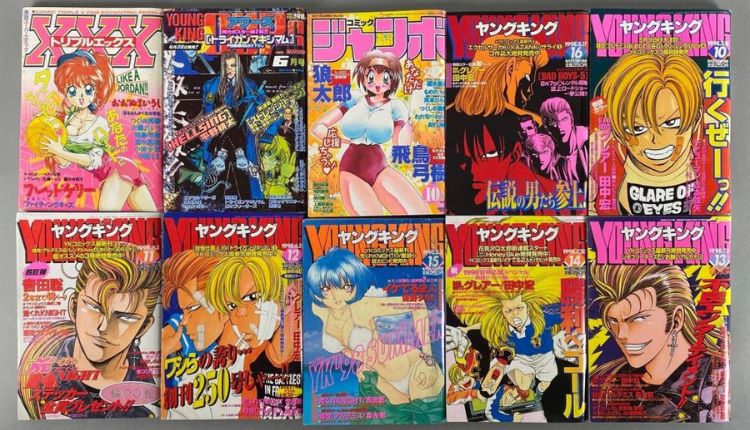
While the word “hentai comic book” is often misunderstood or oversimplified, in a broader cultural sense it represents a style of fictional expression that combines exaggerated art, fantasy narratives, and orientated themes. Over the years, hentai comics have evolved beyond their early status and become a subject of discussion in art, publishing, digital media, and fan communities.
This article examines the concept of hentai comics from an educational and cultural perspective. Rather than explicit content, the discussion focuses on its history, artistic approach, narrative structure, audience psychology, ethical considerations, and its impact on global pop culture. By examining these aspects, it is possible to understand why hentai comics continue to attract attention and controversy while remaining an influential part of modern visual storytelling.
Understanding the meaning of Hentai comics
A hentai comic is typically an illustrated story created in a manga-inspired format intended for an audience. The term “hentai comic book” in Japanese can be broadly translated as “abnormal” or “transformed, but outside of Japan, it has become a term for animated or illustrated fiction. Combined with the comic book format, a serialised or stand-alone story is created, presented through panels, dialogue, and visual symbolism.
What sets a hentai comic apart from other comics is not only its thematic direction but also its visual language. Artists often use expressive character designs, dramatic panel layouts, and heightened emotional cues. These stylistic choices are rooted in traditional manga techniques that emphasise mood, pace, and character expression more than strict realism.
Historical Development of Hentai Comics
The roots of hentai comic book can be traced back to early Japanese art forms that explored human emotion, fantasy, and desire through illustration. Long before modern manga existed, Japanese artists were experimenting with narrative scrolls and woodblock prints that combined storytelling with stylised imagery. These early works laid the groundwork for the visual stories that later evolved into manga.
During the twentieth century, manga diversified into many genres, including oriented stories. As print technology improved and niche markets became more accessible, artists began creating content specifically for readers. This period marked the emergence of what was later recognised as hentai comics. With the rise of specialist magazines and independent publishers, these works found a devoted audience.
The digital age has accelerated this growth. Online distribution allowed creators to reach international readers without traditional publishing barriers. As a result, hentai comics became part of a global exchange of visual culture that influenced artists and readers far beyond the borders of Japan.
Art style and visual language
One of the most defining features of a hentai comic book is its art style. Visuals often favour expressiveness over realism, using exaggerated facial expressions, dramatic body language, and symbolic backgrounds. This approach helps convey the emotional intensity and fantasy elements of the story.
Artists working in this genre often experiment with panel composition. Large panels can be used to emphasize key moments, while smaller, tightly packed panels can create a sense of rhythm and progression. Shading, line work and contrast play a key role in setting tone and atmosphere.
Colour usage varies by format. Some hentai comics are produced in black and white, following traditional manga conventions, while others use full colour to increase visual appeal. In both cases, the art is designed to guide the reader’s eye and maintain engagement throughout the narrative.
Narrative themes and approach to storytelling
Although hentai comic book are often stereotyped as simplistic, they can contain a wide variety of narrative structures. Some focus on short, self-contained stories, while others develop long-term plots with recurring characters. Fantasy, science fiction, and alternate realities are common settings that allow creators to explore imaginative scenarios without the constraints of realism.
Another important aspect is character development. Protagonists are often designed to be emotionally expressive and allow readers to connect with their experiences. Minor characters can take on symbolic roles, representing ideas such as conflict, temptation, or transformation.
In many cases, the narrative relies heavily on visual cues rather than extensive dialogue. This visual approach makes hentai comics accessible across language barriers, contributing to their international popularity.
Psychology of the audience and the reader
The audience for hentai comic book is diverse, spanning different age groups within the demographic, cultural backgrounds, and personal interests. Readers are often drawn to this genre because it offers a blend of fantasy and art that differs from mainstream comics.
Psychologically, the attraction lies in escapism and imagination. The exaggerated visuals and fictional setting provide a space where readers can explore thoughts and emotions that may not be present in everyday life. This does not necessarily reflect real-world preferences but rather an interest in imaginative storytelling.
Another factor is the sense of community. Fans often discuss favourite artists, storylines, and art styles, creating online and offline spaces for appreciation and criticism. These communities contribute to the genre’s longevity and continued development.
Cultural impact outside of Japan
Although hentai comic book originated in Japan, their influence has spread throughout the world. International artists adopted similar visual techniques and storytelling methods, sometimes mixing them with local cultural elements. This cross-cultural exchange has led to new hybrid styles that expand the genre’s definition.
In popular culture, references to hentai comics can be found in discussions of censorship, artistic freedom, and digital publishing. The genre has also influenced fashion, graphic design, and animation aesthetics, especially in online spaces.
Despite the ongoing controversy, the global presence of hentai comics demonstrates how niche art forms can shape broader creative trends when supported by a dedicated audience and available distribution channels.
Ethical and legal aspects
The hentai comic book genre is often subject to ethical and legal scrutiny. Regulations vary widely between countries and reflect different cultural attitudes towards content. Publishers and creators must navigate these frameworks carefully to ensure compliance with local laws.
Ethical discussions frequently focus on consent, representation, and the responsibilities of creators. Many artists and platforms emphasize clear labelling and age restrictions to ensure that content is accessed only by appropriate audiences. These measures are intended to balance creative expression with social responsibility.
Understanding these considerations is essential for anyone studying or engaging with the genre, as they shape both production and distribution practices.
Digital Platforms and Modern Distribution
The internet has transformed how hentai comic books are created and shared. Digital tools allow artists to produce high-quality work independently, while online platforms provide direct access to readers. This shift has reduced reliance on traditional publishers and encouraged experimentation.
Crowdfunding and subscription models have also become popular, enabling fans to support creators directly. This relationship between artist and audience fosters creative freedom and sustainability, allowing niche projects to thrive.
At the same time, digital distribution raises questions about content moderation and intellectual property. Platforms must balance open access with responsible oversight, a challenge that continues to evolve alongside technology.
Key Characteristics of Hentai Comic Books
Although the genre is diverse, several common characteristics appear frequently.
- Strong emphasis on visual storytelling and expressive art
- Use of fantasy or exaggerated scenarios to drive narratives
- Targeting of clearly defined audiences
These elements help distinguish hentai comic books from other forms of illustrated fiction while highlighting their unique creative identity.
Future Trends and Evolution
The future of the hentai comic book genre is closely tied to technological innovation. Advances in digital illustration, virtual reality, and interactive media may reshape how stories are told and experienced. Artists are already experimenting with motion comics and immersive formats that blur the line between static images and animation.
Cultural shifts may also influence themes and representation within the genre. As conversations about ethics and inclusivity continue, creators may explore new narrative approaches that reflect changing audience expectations.
Despite uncertainty, the adaptability of comic books suggests that they will remain a relevant part of visual culture for years to come.
The Bottom Lines
The hentai comic is more than a simplistic label for illustration. It represents a complex intersection of art, narrative, culture, and technology. By examining its history, artistic style, audience appeal, and ethical considerations, it becomes clear that this genre occupies a distinctive space within modern visual storytelling.
Understanding comic books through an analytical lens allows for more informed discussions that move beyond stereotypes. Whether viewed as a form of niche entertainment or a subject of cultural study, the genre continues to influence artists and readers around the world.
FAQs
What is a comic book in simple terms?
A hentai comic book is an illustrated narrative, usually inspired by manga art styles, created for audiences and focused on fictional storytelling with mature themes.
Is a comic book the same as regular manga?
No, while it shares artistic roots with manga, a comic book is specifically intended for and differs in theme and audience.
Why are comic books popular globally?
Their popularity comes from expressive art, imaginative storytelling, and easy access through digital platforms, which allow global audiences to engage with the genre.
Are comic books legally available everywhere?
Availability depends on local laws and regulations. Different countries have varying rules regarding illustrated content.
Can comic books be considered art?
From an academic perspective, they can be studied as a form of visual art and narrative expression, particularly in discussions about contemporary illustration and subculture.
