

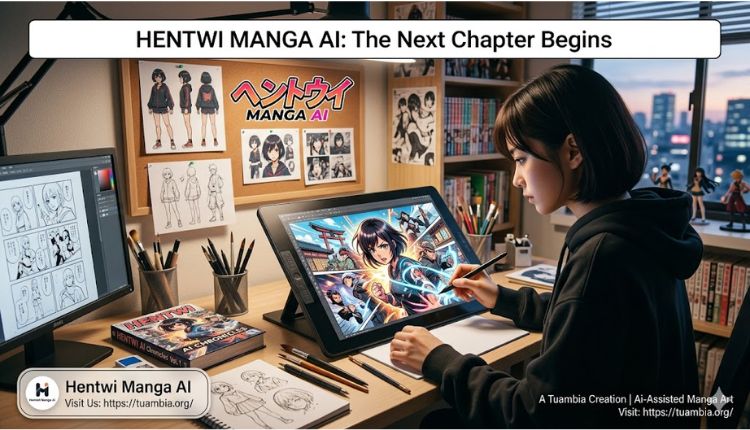
This article provides a complete SEO guide to understanding Hentwi manga from a cultural and industry perspective. It examines its historical development in Japan, artistic styles, worldwide popularity, legislation, and controversies surrounding it. The content also explains how hentai manga differs from mainstream manga and why it has become a significant part of the Japanese entertainment export industry.
Readers will gain insight into how the genre has evolved, how it is perceived in different countries, and the role that censorship and age restrictions play in controlling its distribution. This article is strictly informative and avoids any explicit or graphic content, instead focusing on cultural analysis, media studies, and industry trends. Designed for educational purposes, it is intended to help readers understand the larger context of manga in modern pop culture.
Hentai Manga (Cultural Overview)
Hentwi manga is a term used to describe a category of Japanese comics that feature or mature storytelling. In Japan, manga covers a very wide range of genres, from action and romance to horror and science fiction. Hentai manga exists as a niche within this ecosystem and is usually created for an audience.
From a cultural perspective, it reflects how Japanese media often explores different narrative boundaries. Although widely known internationally, in Japan it is only one part of a much larger manga industry that includes millions of titles across various genres.
It is important to understand that hentai manga does not represent all manga. Most manga published in Japan are aimed at general audiences, teenagers, or specific genres such as sports or fantasy.
Key points:
- A subcategory of Japanese manga aimed
- Part of the wider Japanese manga publishing industry
- Known internationally but niche in Japan
History and Evolution of Manga
The origins of Hentwi manga can be traced back to traditional Japanese art forms such as shunga, which were erotic woodblock prints created during the Edo period. These artworks influenced later styles of visual storytelling in Japan.
During the 20th century, manga began to expand rapidly as a modern medium. As the freedom of publishing grew, artists began to explore more mature themes within illustrated narrative. Over time, this evolved into specialized genres aimed at readers.
By the late 20th century, the manga industry had diversified significantly, and comics had become a recognized segment of publishing, both in Japan and overseas markets.
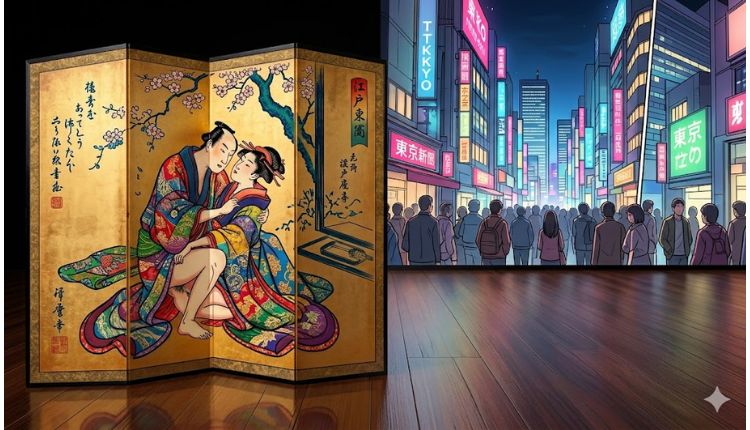
Today, digital platforms have further expanded access, making manga content more global than ever before. However, this also increased regulation and censorship in many regions.
Art Style and Storytelling Techniques
Hentwi manga, like other manga genres, uses a distinct visual style characterized by strong characters, detailed backgrounds, and dramatic narrative. The emphasis is often on emotional expression and exaggerated artistic design rather than realism.
Artists in this genre use paneling, shading, and pacing techniques similar to mainstream manga, know more click here. Narrative structure can range from short episodic formats to longer serialized stories.
Despite its classification, the artwork is often held to the same standards as professional manga production, including consistency of character design and visual flow.
Common artistic features include:
- Stylized expressions of the characters
- Close attention to detail in the background
- Dramatic framing and panel transitions
- Great emphasis on visual storytelling
Global Popularity and Digital Expansion
Over the past two decades, Japanese Hentwi manga– including categories – has gained worldwide attention. The rise of the Internet, digital comics, and translation communities have contributed to its international expansion.
Many readers outside of Japan encounter manga through official translations, online platforms, and fan communities. This global reach has turned manga into one of Japan’s most influential cultural exports.
However, different countries have different rules regarding content, which affects availability and distribution. In some areas, such content is restricted or strictly regulated.
Despite this, the overall manga industry continues to grow worldwide, with millions of readers engaging with Japanese comics every day.
Cultural Controversies and Criticism
Like many forms of entertainment, Hentwi manga has been the subject of cultural debate. Some critics raise concerns about representation, accessibility, and ethical boundaries in media content.
On the other hand, proponents argue that it is a form of artistic expression protected by creative freedom, similar to other mature media categories such as films and novels.
These debates vary widely depending on cultural norms, legal frameworks, and societal values in different countries. In Japan, manga is generally considered a broad artistic medium with many sub-genres.
Legal Regulations and Age Restrictions
Hentwi manga is usually restricted to an audience, and many countries enforce strict rules regarding its distribution. Age verification systems, content warnings, and platform restrictions are commonly used.
Japan itself has regulations governing the publication of explicit content, and international platforms often apply additional rules depending on local laws.
Parents, educators and digital platforms all have a role to play in controlling access to age-inappropriate content, especially online.
General safety instructions:
- Restricted to audiences in most regions
- Subject to local censorship laws
- Controlled distribution on official platforms
Difference Between Hentai Manga and Mainstream Manga
While both belong to the same art form, Hentwi manga and mainstream manga differ significantly in purpose and audience. Mainstream manga covers a wide range of genres, such as action, comedy, sports, and fantasy, and is often aimed at children, teenagers, or general readers.
Hentai manga, on the other hand, is specifically intended for an audience and focuses on mature narrative themes.
Despite these differences, the two share similar artistic techniques, including panel layout, character design, and narrative pacing.
Key differences:
- Audience age group
- Story themes and content focus
- Distribution and Legal Restrictions
Future of Hentwi manga Industry
The Hentwi manga industry continues to evolve with digital transformation, global distribution, and changing cultural attitudes. Digital platforms, subscription services, and mobile apps make manga more accessible than ever.
At the same time, increasing regulation and moderation of content is shaping the way content is distributed worldwide. The balance between creative freedom and legal liability remains an area of ongoing debate.
As technology advances, new formats such as interactive comics and AI-assisted art creation may also influence how manga is produced and consumed in the future.
Conclusion
Hentwi manga is a niche but widely discussed segment of Japanese comic culture. Although it exists within the wider manga industry, it is important to understand it in terms of cultural context, artistic expression, legal boundaries, and global influence.
The genre reflects how diverse and flexible manga storytelling can be, but also raises important discussions about regulation and responsibility in media consumption.
FAQs
Q1: What is hentai manga?
This is a category of Japanese Hentwi manga aimed at mature readers with a focus on mature themes.
Q2: Is hentai manga legal?
It depends on the country. Many regions restrict or regulate its distribution.
Q3: Is hentai manga the same as regular manga?
No, it’s a niche category of within the larger manga industry.
Q4: Why is hentai manga popular worldwide?
Due to the strong global influence of Japanese manga and digital availability.
Q5: Can minors read hentai manga?
No, it is intended for mature audiences Hentwi manga.
